
The Story of Pakistani Mangoes: Origins of Chaunsa & Sindhri and Their Cultivation Today
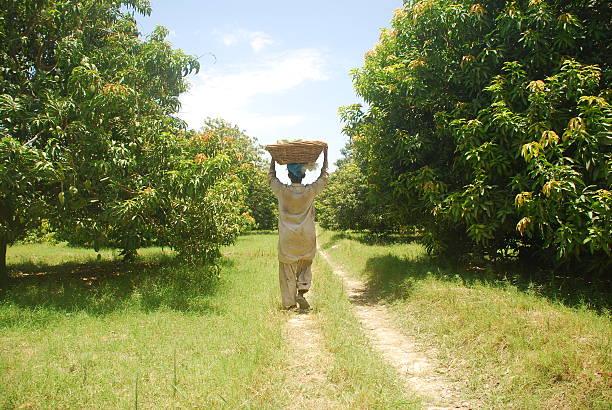
The Legendary Journey of Chaunsa and Sindhri: Pakistani Mango Royalty
Imagine an Indian battlefield in 1539, where Sher Shah Suri triumphs over Mughal Emperor Humayun, and in celebration he names his favourite fruit "Chaunsa", which in perfect world branding means "Mango of Paradise." That mango made its way across time and ultimately found a second home in Pakistan, landing particularly deep in the plains of Punjab, around Multan and Rahim Yar Khan, where it was raised by Dr. Sami Khan Malihabadi, son of the original breeder from Malihabad. Farmers there took to grafting trees like true artists, and Chaunsa swiftly earned its reputation for being extra sweet, super juicy, and thankfully virtually fibre-free. There are now several "sub-royal" types: Mosami, Kala (Black) Chaunsa, Safaid (White) Chaunsa which ships well, and even Azeem (also called Rattewala) preferred for its punchy flavour and weight.
Meanwhile, in the verdant fields of Mirpur Khas in Sindh province, something quietly magical was happening. Around 1909 to the early 1930s, horticulturists experimented on mango seedlings and eventually produced Sindhri: a golden oval beauty that ripens faster, has thinner skin, melt-in-your-mouth flesh, and a scent that'll make any poet swoon. It's often called the "Queen of Mangoes," partly because of its regal sweetness and partly because locals became very proud of exporting it early in the season, mid-May to June, before the rest of the world even wakes up.
How These Mangoes Thrive Today
Punjab and Sindh now account for nearly 98% of Pakistan's mango crops. In Mirpur Khas, which has earned the nickname "City of Mangoes", more than 250+ local varieties flourish but Sindhri remains king among them. It's also the centrepiece of the famed Mirpur Khas Mango Festival, held annually since 1955, where farmers swap grafts and locals sample fresh cuts in the streets.
The orchards in Rahim Yar Khan and Multan bring in the bulk of Chaunsa. Interestingly, the same warm soils and blistering summer heat that stress other plants make these mango trees thrive. Their harvest window spans from late June through August, ensuring Mangoland stays stocked long after Sindhri ripens.
Economic Importance & Exports
Pakistan is one of the top global mango producers, growing over 1.8 million tons annually, exporting to markets in the Middle East, Europe, North America, and Asia. Chaunsa and Sindhri account for major export varieties, contributing significantly to rural livelihoods and foreign exchange earnings.
Mangoes and the People Who Grow Them
This isn't just fruit, it's a livelihood. Smallholder farms, often family-run, rely heavily on these two varieties. In Rahim Yar Khan alone, thousands of orchard owners cultivate Chaunsa across tens of thousands of acres. When export price dips or a heatwave hits, entire rural communities feel it in their wallets. That's also behind efforts today to adopt smarter systems: things like pruning to shorter trees (STS), drip irrigation to fight water scarcity, composting, and careful pesticide use with the goal of making mango farming both greener and more reliable.
A Slice of Sustainability and Legacy
Weaving through all this history is a story of resilience and tradition meeting innovation. These mango trees aren't just cut grafts, they're living fragments of centuries-old practices, passed through grandparents to grandchildren. The sustainable farming push isn't just environmental buzz, it's about preserving both the land and traditions.
Why This Story Matters?
These mangoes are more than produce. They're a bridge between the past and today's sustainable farming efforts. The legacy of ancient origins meets modern challenges like climate change and water stress. As farmers evolve, they carry traditions forward. When someone savours a Chaunsa or Sindhri mango, they're tasting generations of craftsmanship and resilience.
Fruit Fuse: Bringing the Best from Pakistan to You
At Fruit Fuse, we are passionate about connecting you to the heart of Pakistan's mango heritage. We carefully source Chaunsa, Sindhri and many more varieties from trusted growers in Sindh and Punjab who use sustainable practices and treat each tree as a family story. We believe in quality, tradition, and responsible farming.
Explore our range of premium mango varieties and blends, crafted to deliver taste, nutrition, and a slice of culture straight to your table. Visit our website to learn more and experience mangoes worth writing home about.
Experience Authentic Pakistani Mangoes
Taste the heritage and craftsmanship of centuries-old mango cultivation. From our orchards to your table.
Order Premium Mangoes