
Authentic Pakistani Mango Pickle Recipe: A Tangy Tradition Loved Worldwide
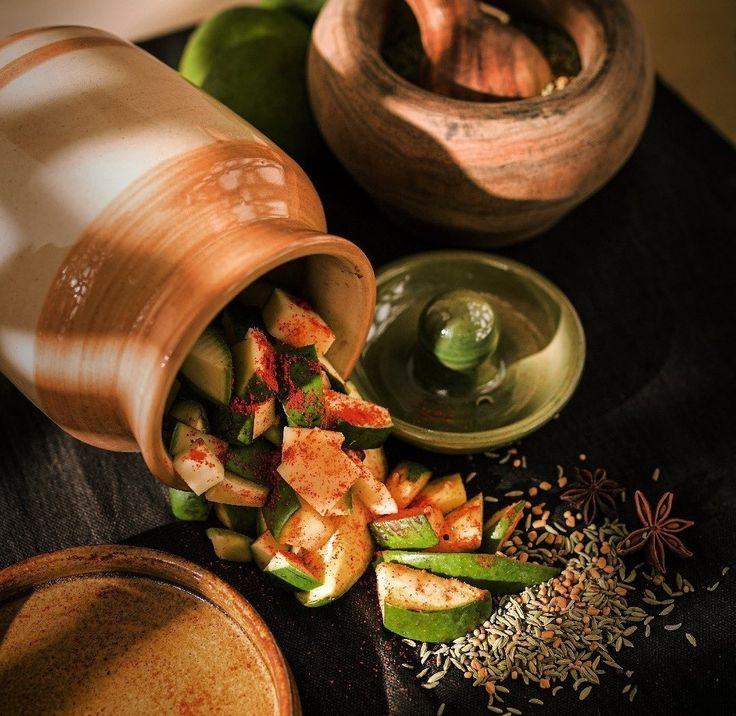
Introduction: The Flavour of Tradition
Mango pickles, known as aam ka achar in Urdu and Hindi, have been a staple in South Asian households for over 4,000 years. The practice of pickling is believed to have originated in the Indus Valley Civilization (circa 2500 BCE–1700 BCE), which spanned areas of modern-day Pakistan and northwest India. Early inhabitants of this region discovered that immersing fruits and vegetables in brine and spices preserved their flavour and nutrition for months.
In rural areas, mango pickle preparation is still a communal activity, bringing women together during mango season (April to July) to slice, spice, and sun-cure batches that will last the entire year. Families often have closely guarded recipes passed down for generations, and pickle jars are considered a kitchen essential.
Mango pickles are more than just a condiment, they are a symbol of heritage and comfort. For many, the sharp, tangy flavour recalls memories of childhood meals and family gatherings. Even today, no traditional South Asian meal feels complete without a small serving of achar on the side, whether it's paired with simple dal and rice or elaborate feasts.
In this guide, we'll show you how to make authentic mango pickle at home using a traditional recipe passed down through generations.
Why Pakistani Mango Pickle is Special
Pakistan is one of the largest mango producers in the world, renowned for its premium varieties like Sindhri and Chaunsa. Pickling is a time-honoured method that transforms unripe mangoes into a bold, tangy accompaniment. What makes Pakistani mango pickle unique is its use of mustard oil, fenugreek seeds, and sun-curing, techniques that not only enhance flavour but also extend shelf life.
Ingredients for Mango Pickle (Pakistani Style)
To make a batch of mango pickle at home, you'll need:
- 2 kg unripe mangoes (firm and slightly sour)
- 30 g red chili powder
- 60 g turmeric powder
- 30 g salt
- 30 g fenugreek seeds (methi)
- 30 g fennel seeds (saunf)
- 2 liters mustard oil
These traditional spices create the pickle's signature spicy, tangy, and slightly bitter flavour profile.
Step-by-Step Mango Pickle Recipe
1. Prepare the Mangoes
Rinse the unripe mangoes thoroughly and wipe them dry. Cut each mango into 6 to 8 pieces, removing the seed. Drying the mangoes properly is crucial to avoid spoilage.
2. Mix the Spices and Oil
In a large steel bowl, combine mango pieces with salt, chili powder, turmeric, fenugreek seeds, fennel seeds, and half of the mustard oil.
Mix until each piece is evenly coated.
3. Sun-Cure the Mangoes
Spread the mango mixture in a shallow tray and keep it in direct sunlight for 3–4 days, covering lightly with a clean cloth. This traditional method enhances the pickle's flavor and shelf life.
4. Store the Pickle
Transfer the sun-cured mangoes to a clean, dry jar.
Pour the remaining mustard oil and spice mixture into the jar, ensuring all mango pieces are fully submerged.
Stir gently and seal the jar.
5. Ready to Serve
Let the pickle rest for another 3–4 days in a cool, dry place before enjoying. This pickle can last for months if stored properly.
Serving Suggestions
Mango pickle pairs beautifully with almost any meal. It's most commonly served alongside rice, lentils, parathas, or curries, adding a burst of tangy heat. It can also elevate snacks like pakoras, samosas, and even cheese platters for a fusion twist.
Tips for Perfect Mango Pickle
- Use unripe mangoes only – They must be firm and sour.
- Keep everything dry – Moisture can lead to mold.
- Use sterilized jars – This ensures longevity and freshness.
- Taste and adjust spices – Add more chili or salt to suit your preference.
Want Fresh Mangoes for Your Recipe?
Get premium Pakistani mangoes perfect for making traditional recipes. Fresh from our orchards to your kitchen.
Order Fresh Mangoes